

Selling unwanted gold can feel uncertain when you do not know what happens after you walk into a gold-buying business. You may have old jewelry, broken pieces, coins, or other items and simply want to understand how the value is determined.
The process usually starts with identifying what you have, checking the precious-metal content, and determining an offer based on the items being evaluated. Knowing these steps beforehand can make the experience easier to understand.
For anyone searching for Cash for Gold in Alief, TX, having a basic idea of the evaluation process can also help you prepare your items and ask better questions.
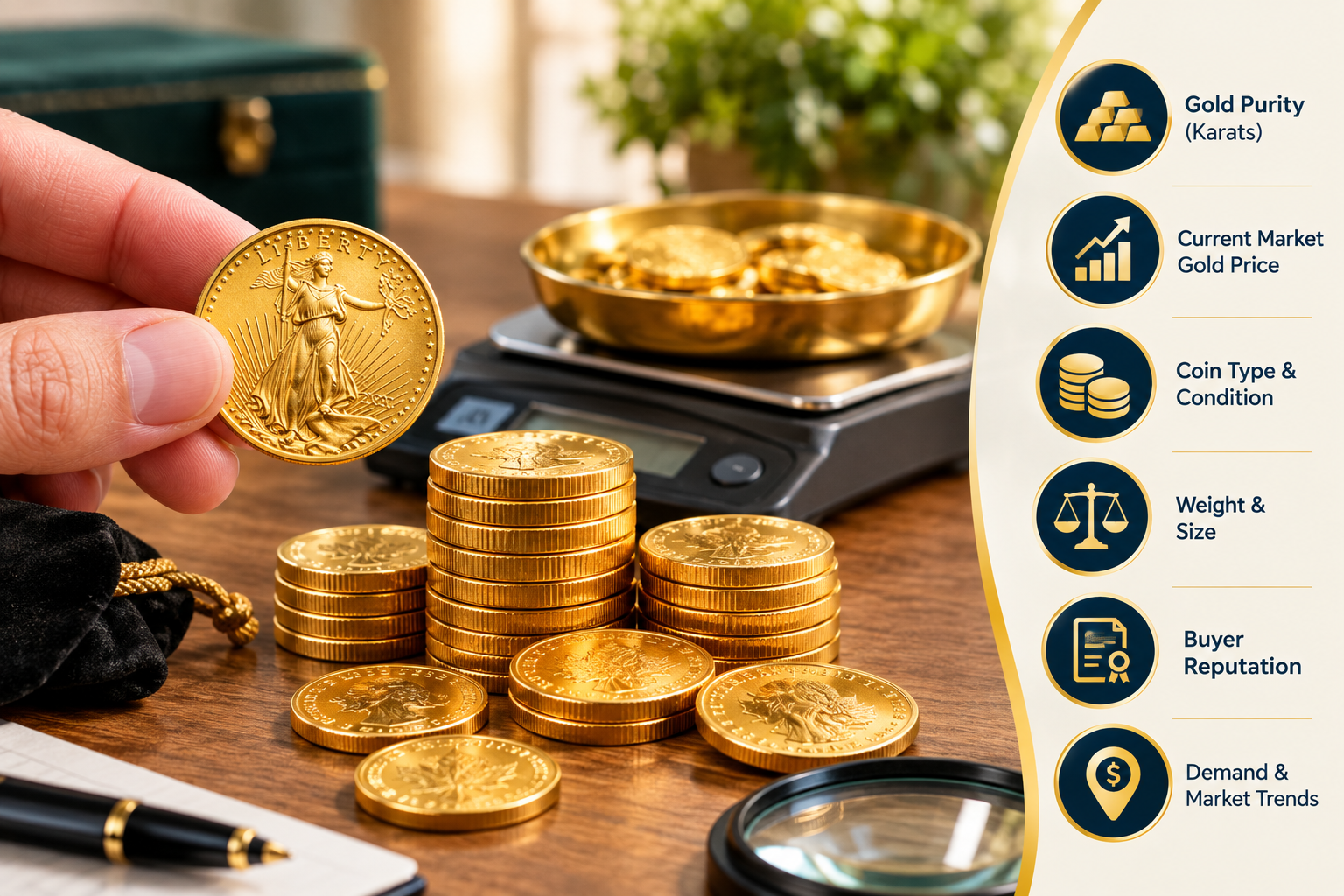
Gather Your Gold Before the Visit
Start by collecting the gold items you are considering selling.
These could include:
- Broken jewelry
- Unwanted rings
- Gold chains
- Earrings
- Bracelets
- Gold coins
- Old or inherited pieces
- Other gold items you no longer use
You do not have to separate every item perfectly before an evaluation. However, keeping pieces organized can make it easier to identify what you are bringing in.
If you have documentation, original packaging, or certificates for certain items, bring those along as well.
The Buyer Identifies Each Item
The first part of an evaluation is determining what the item actually is.
A gold necklace, for example, may have a karat marking that indicates its purity. A coin may have markings that identify its country, year, denomination, or composition.
The buyer may examine:
- Gold markings
- Item type
- Weight
- Design
- Condition
- Coin details
- Other identifying characteristics
This information helps establish what needs to be tested and how the item should be valued.
Purity Changes the Amount of Gold
Gold jewelry is commonly available in different purity levels.
An item marked 10K, 14K, 18K, or 22K contains different proportions of gold. Higher-karat gold contains a greater percentage of pure gold.
For that reason, the weight of an item alone does not tell you how much gold it contains.
Two chains that weigh exactly the same could have different precious-metal values if their purity levels are different.
A proper evaluation considers both factors.
Weight Is Measured During the Evaluation
After identifying the item and its purity, weight becomes another important part of the calculation.
Gold is commonly traded based on weight, so the amount of metal present helps establish the item’s underlying value.
Jewelry may contain stones, clasps, or other materials that are not gold. The evaluation therefore needs to account for what is actually being purchased rather than simply treating the entire item’s weight as pure gold.
This is particularly relevant when selling several different types of jewelry at once.
Testing Helps Verify the Metal
Markings provide useful information, but testing can help verify the material.
A gold buyer may use appropriate testing methods along with visual inspection, weight, and markings to determine the composition of an item.
Testing becomes especially useful when:
- A piece has no visible purity marking
- You inherited the item
- You are unsure whether it is genuine gold
- The item’s markings are difficult to read
- You purchased it a long time ago
- The item has been damaged or altered
The purpose is to establish what the buyer is actually evaluating before an offer is calculated.
The Current Gold Market Also Matters
Gold prices are not fixed permanently.
Market conditions change, which means the value associated with a particular amount of gold can change over time.
An old jewelry receipt may tell you what you paid years ago, but it does not necessarily represent the current market value of the gold.
When selling today, the buyer considers the current precious-metal market along with the item’s weight, purity, and other relevant characteristics.
The final offer can also reflect the buyer’s costs and the economics of purchasing and processing the material.
Jewelry and Coins May Be Evaluated Differently
Not every gold item should be viewed in exactly the same way.
Common gold jewelry is often evaluated largely according to its precious-metal content. Coins can require additional consideration because some have collector or numismatic value beyond the metal itself.
An older or rare coin may have characteristics that make it different from ordinary scrap gold.
If you have both jewelry and coins, it is useful to have each item identified rather than assuming everything should be valued using one simple calculation.
Someone searching for Sell Gold for Cash Near Me may have several types of items at home. Bringing everything for evaluation can help establish what each piece actually represents.
What Happens With Broken Jewelry?
Broken gold jewelry can still contain valuable precious metal.
A snapped chain, damaged bracelet, single earring, or ring with a broken setting does not automatically mean the gold has no value.
The condition of the jewelry may affect its resale potential, but the metal itself remains a factor in the evaluation.
This is one reason people sometimes hold onto damaged pieces for years without realizing they can still have monetary value.
Rather than judging a broken item by appearance alone, have its gold content evaluated.
How to Compare Cash for Gold Services
If you are looking for Cash for Gold services Near Me, do not focus only on finding the closest location.
Pay attention to how the evaluation is explained.
Useful questions include:
- What type of gold is this?
- What is its purity?
- How much does it weigh?
- How was the item tested?
- Is the value based on metal content?
- Could this coin or jewelry piece have additional collectible value?
- What factors were used to calculate the offer?
Understanding the process gives you more information than simply hearing a final number.
What If You Are Unsure About Selling?
An appraisal or evaluation does not have to mean you immediately sell everything you bring.
If you are uncertain about an item, use the evaluation to learn more about what you own.
This can be particularly useful with inherited jewelry or coins that have been stored for years.
You may discover that some pieces are ordinary gold items while others have characteristics worth investigating further.
The important step is knowing what you have before making a decision.
Frequently Asked Questions
What happens when I bring gold to a buyer?
The items are typically examined and identified first. Their markings, weight, purity, and composition can then be evaluated before the buyer determines an offer.
Does broken gold jewelry still have value?
Broken jewelry can still contain valuable gold. Its condition may affect whether it has resale or collectible value, but the precious-metal content remains an important part of the evaluation.
Is gold valued only by weight?
No. Weight is important, but purity also determines how much actual gold is present. Coins and certain collectible pieces may also require consideration beyond basic metal weight.
Should I sell gold based only on an online gold price?
An online market price can provide general information, but it does not necessarily tell you what a specific jewelry item or coin is worth. Purity, weight, composition, condition, and other characteristics need to be considered.
Can I bring several different gold items for evaluation?
Yes. Bringing multiple pieces can allow each item to be identified and evaluated based on its own characteristics. Organizing the items and bringing any available documentation can make the evaluation easier.
Final Thought
The basic process is straightforward: bring in the items, have them identified and evaluated, understand their precious-metal content, and review the offer.
For sellers searching for cash for gold coins near me, the same principle applies. Coins should be examined individually because their metal content and potential collectible characteristics can differ.
Cash Cash 4 Gold provides gold-buying services for people looking to turn unwanted gold items into cash. Whether you have broken jewelry, old pieces, or coins, understanding how the evaluation works can help you approach the process with realistic expectations.
Before selling, gather your items, bring relevant documentation, ask how the value was determined, and make sure you understand the offer before moving forward.